I joined the graduate program in biological sciences at the College of William and Mary in Williamsburg, Virginia, in 1991. My goal was to explore my interests in biology to a greater depth and breadth and to get my feet wet (often literally) in research as well as teaching. My research focused on an exploration of the ultrastructure of tetrasporangia (reproductive structures in a type of red sea weed) as indicators of phylogeny. My work with Joe Scott instilled in me a sense of wonder for the microscopic world and a deep appreciation for phylum Rhodophyta.
Link to Master's Thesis
Link to Master's Thesis
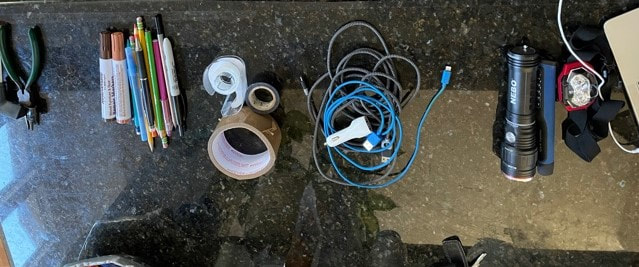
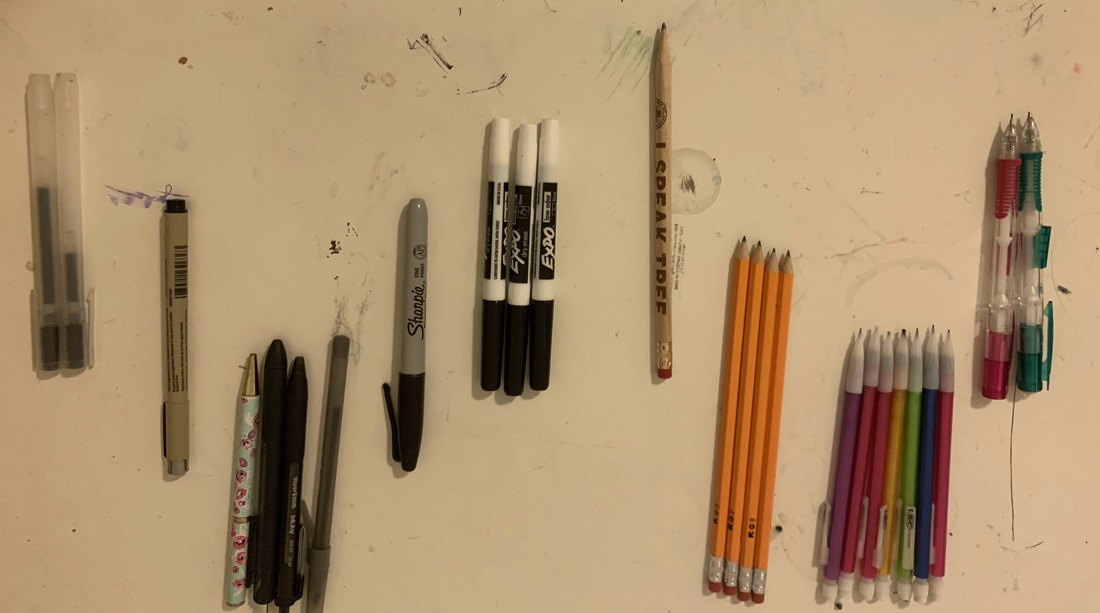
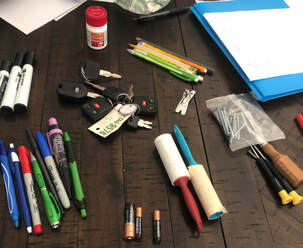
My current students in IB biology explore taxonomy from a broad perspective, and one of the first acitvities I use to introduce them to the topic is the "junk drawer sort". This worked particularly well with distance learning. I gave the sudents 5 minutes to find a drawer in their home with "things". It could also be their backback or a kitchen drawer. Depending on the materials, students could be "lumpers" or "splitters". Some sorted based on function and others based on material. This leads to a rich discussion of the challenges of basing taxonomic groupings on appearance (or function) alone. (See images below).
|
|
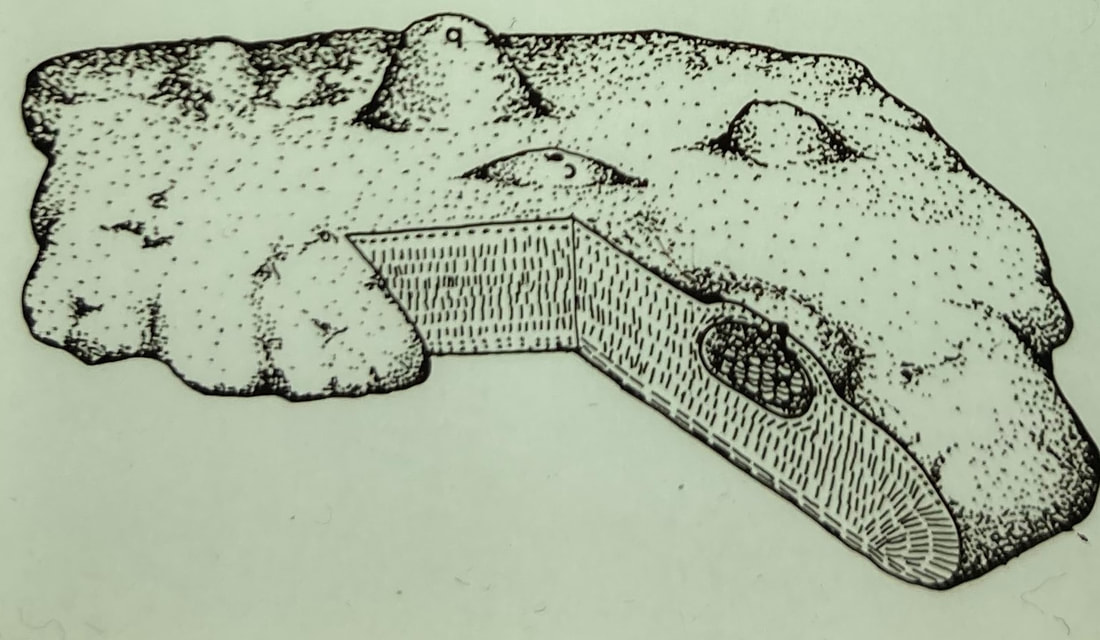
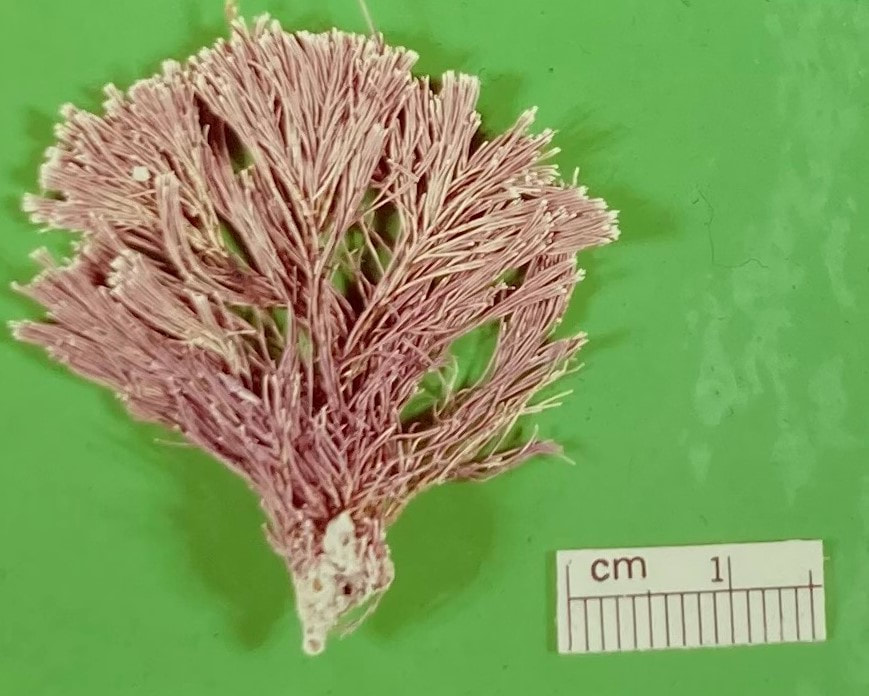
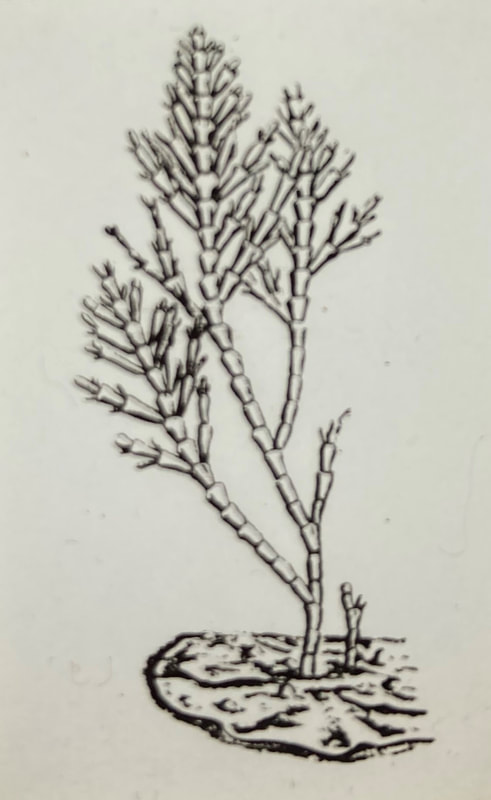
In the IB biology curriculum, students explore the reclassification of the Figwort family using evidence from cladistics. In a similar vein, my Master's work on phylum Rhodophyta lent to a body of evidence that indicated a need to revise classification schemes within phylum Rhodophyta. The prevailing phylogenetic approach at the time of my research sorted classes of coralline red algae primarily based on the presence or absence of articulations (geniculae). The crustose forms were generally considered to be less complex than the upright forms. See image below. Crustose (left); articulated (right). My work demonstrated that both the crustose and articulated forms shared similarities in sporogenesis at the ultrastructural level. This was meaningful because at the time, the red algal order Corallinales was most commonly divided into seven subfamilies based primarly on the presence or absence or articulations (geniculae). My work demonstrated that post-meiotic tetraspore nuclei were useful phylogentic indicators and challenged this prevailing classification scheme. It would be fun to revisit the question today to explore what mitochondrial DNA sequencing has revealed about relationships within the Corallinales. The organism itself was tricky for DNA work because of the calcified thallus.
|
|
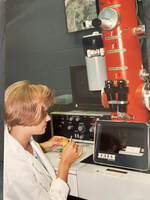
Many hours were spent thin sectioning samples and taking pictures on this Zeiss EM 109 (now officially an antique). All photographic plates were hand developed and printed. There is a high level of meticulousness and attention to detail demanded in ultrastructural work.
|
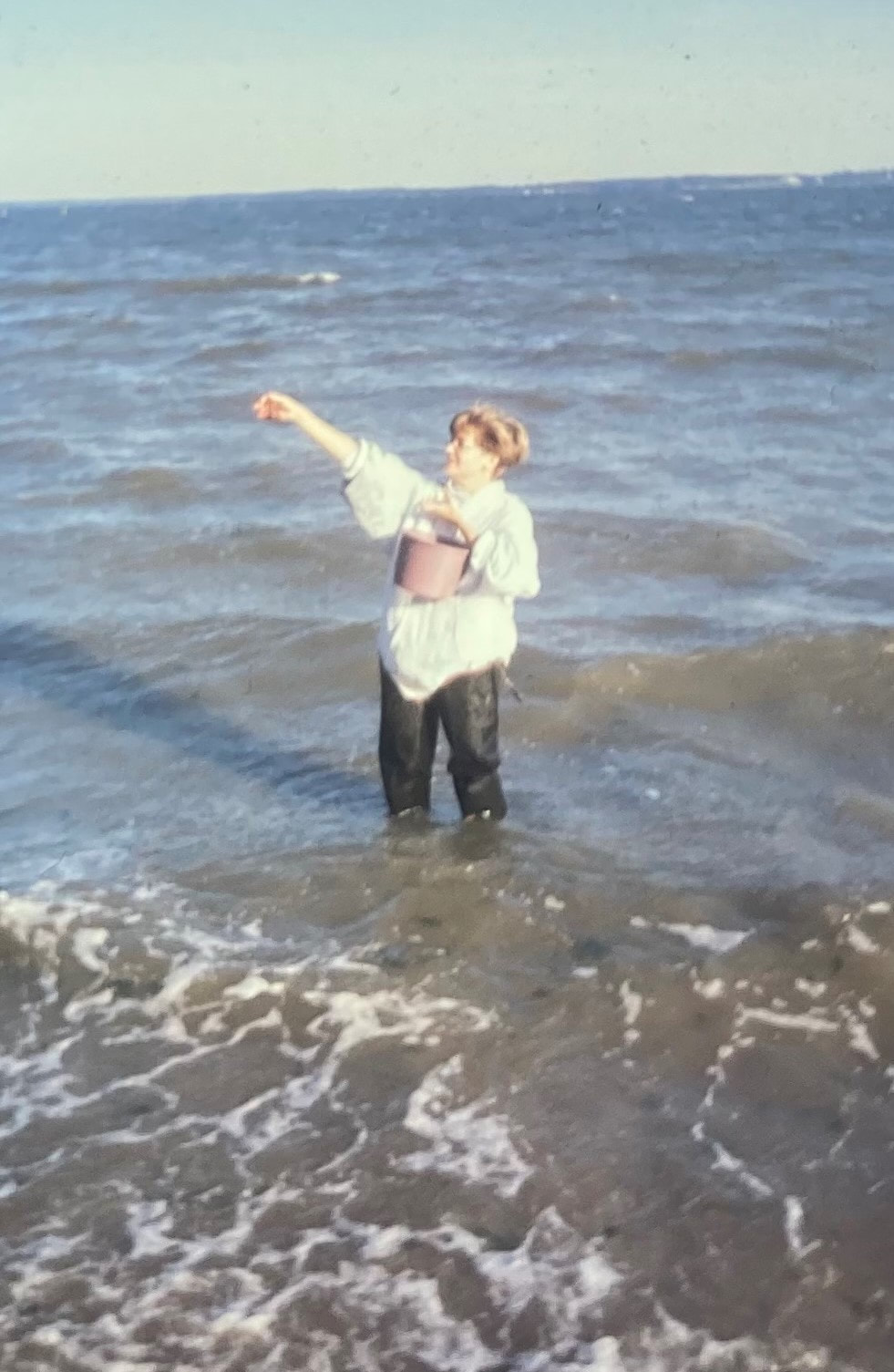
In order to catch coralline red algae undergoing cell division, samples had to be collected at a specific time of day. The day depicted here was COLD. Chesapeake Bay.
|
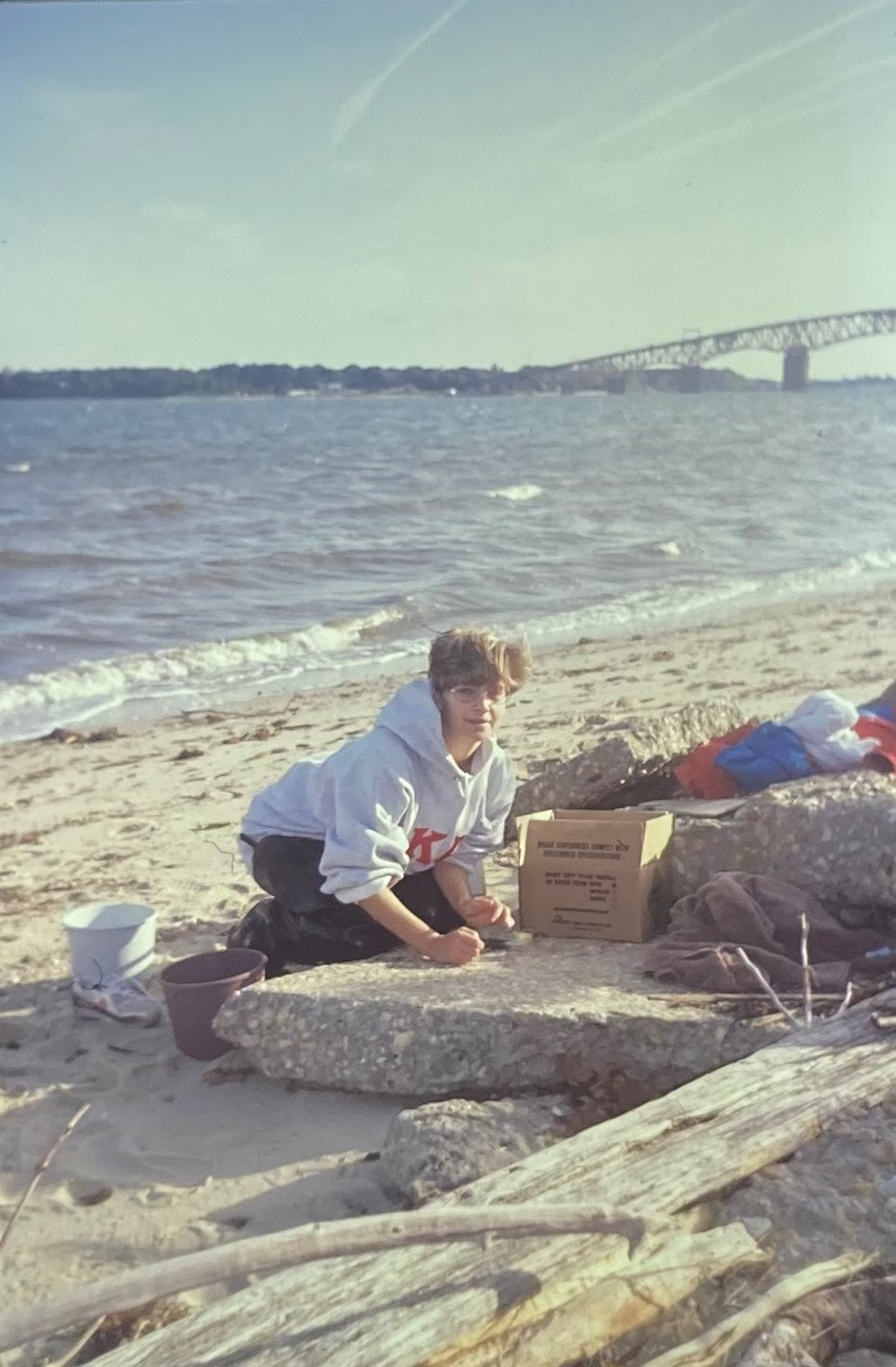
Samples had to be processed quickly. On the drive home stops were made to switch out the fixative. Muddy boots field work in this case meant cold water in the boots!
|
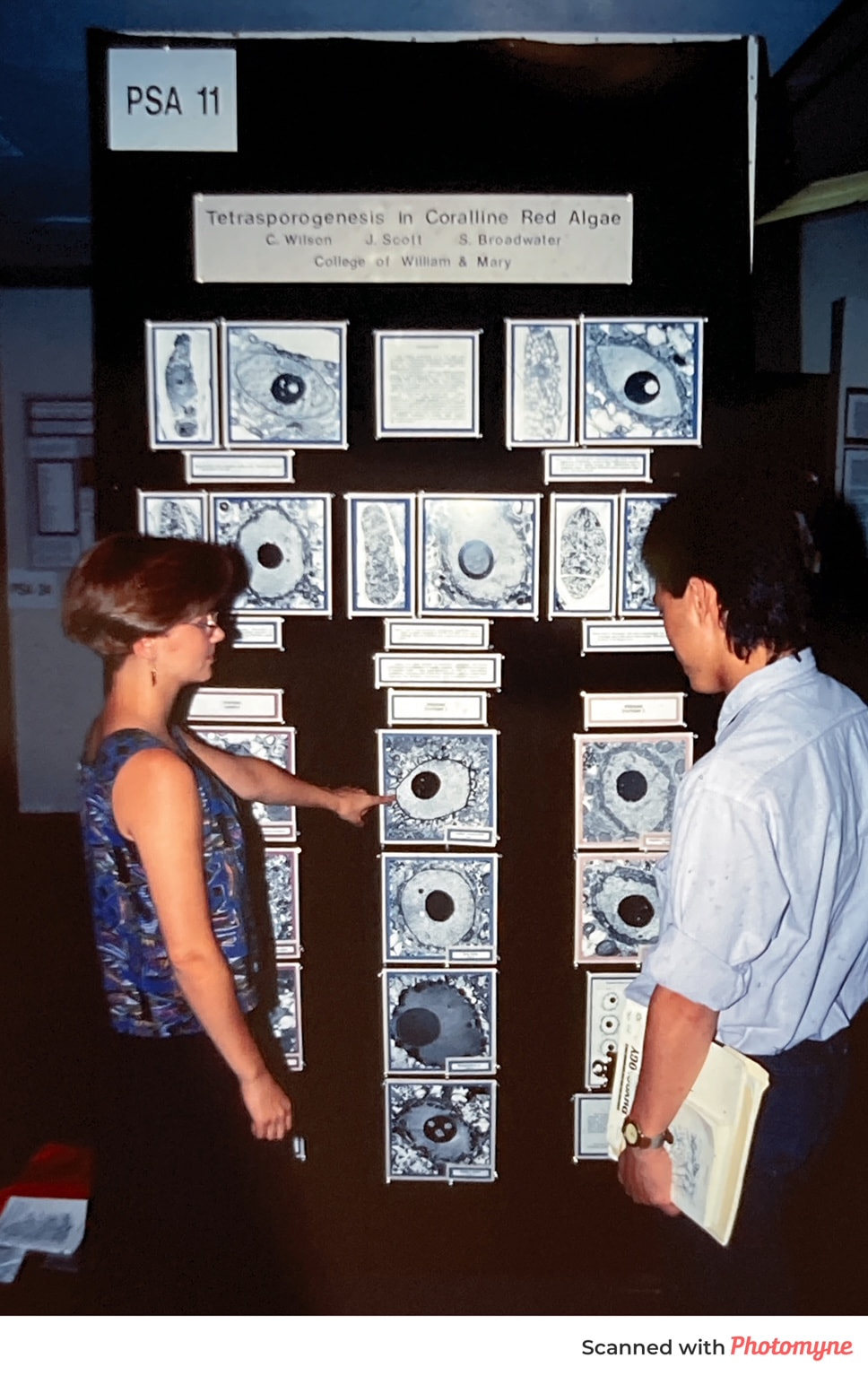
Presenting my work at the Annual Phycological Society of America Meeting. 1993.
|